Why Basement Waterproofing Should Be Part of Every Home Maintenance Plan

A lot of home maintenance gets scheduled around what people can see. Gutters clog, paint peels, shingles curl, caulk cracks around windows. Those problems are visible, so they get attention. Basements are different. They sit below daily life, often half-finished or used for storage, and they have a way of hiding trouble until the trouble is expensive.
That is exactly why Basement Waterproofing belongs in a home maintenance plan, not in the emergency budget after a storm. Water rarely announces itself all at once. More often, it shows up as a musty smell in July, a faint white residue on a concrete wall, a cardboard box that feels damp at the bottom, or a dehumidifier that never seems to stop running. Those small signals matter. They point to moisture movement, and moisture movement is one of the most persistent forces a house has to manage.
Homeowners sometimes think of waterproofing as a one-time project for houses with dramatic leaks. In practice, it is better understood as an ongoing strategy. Every home sits on a site, every site handles water differently, and conditions change over time. Soil settles. Downspouts loosen. Tree roots alter drainage patterns. Freeze-thaw cycles open tiny cracks. What worked ten years ago may not be enough today.
Water does not need much space to become a problem
One of the most misunderstood facts about basements is that visible flooding is only one form of water intrusion. Liquid water can seep through foundation cracks, but moisture can also enter through porous concrete, poorly sealed wall penetrations, floor joints, and condensation caused by warm air meeting cool surfaces. The result may not look dramatic at first, but it can still damage materials, air quality, and structural components.
Concrete is strong, but it is not a magical barrier. It is porous. Block foundations are even more prone to moisture transmission because of their hollow cores and multiple mortar joints. If the soil outside the foundation remains saturated, hydrostatic pressure builds against the wall and floor. Water follows the path of least resistance, and over time it usually finds one.
I have seen basements where the owner insisted there was no leak because no puddles ever formed on the floor. Yet the lower section of drywall was swollen, the baseboards had begun to separate, and metal shelving showed orange rust lines at the feet. The problem was not standing water. It was chronic moisture. Left alone, chronic moisture can be just as destructive as a one-time wet basement.
Basement Waterproofing protects more than the basement
When people hear the phrase Basement Waterproofing, they often think only about keeping a lower level dry enough to store boxes or finish as living space. That is part of it, but the benefits reach well beyond that square footage.
A basement is part of the building envelope. If it is damp, the whole house feels it. Air moves upward through a house by what building professionals often call the stack effect. That means air from the basement does not stay in the basement. Moisture, odors, and in some cases mold-related particles can migrate into the rooms where people actually spend their time. If a house always smells stale even after cleaning, the source is frequently below grade.
There is also a structural dimension. Prolonged water exposure can weaken framing connections, cause wood rot where sill plates or supports remain damp, corrode metal columns, and contribute to movement in foundation walls. Not every damp basement turns into a structural case, but enough do that it makes sense to treat moisture management as preventive care rather than cosmetic upkeep.
Then there is the financial reality. A wet basement can reduce resale appeal quickly. Buyers notice stains, peeling paint, warped trim, and mildew odor right away. Even if the issue is manageable, people assume the worst when they sense hidden water problems. A relatively modest investment in drainage improvements or interior water control often costs far less than the price reduction a seller ends up accepting later.
The hidden costs add up faster than most people expect
The expensive part of moisture damage is not always the water itself. It is the chain reaction that follows. Insulation loses performance when damp. Flooring adhesives fail. Stored belongings absorb moisture and mildew. Appliances such as washers, dryers, and water heaters corrode faster in humid conditions. In finished basements, one wet event can affect drywall, trim, flooring, furniture, and electrical components all at once.
Insurance adds another wrinkle. Homeowners are often surprised to learn that water claims are highly specific. Coverage may differ depending on whether the source was a burst pipe, sewer backup, groundwater seepage, or surface water intrusion. Basement Waterproofing cannot replace proper insurance, but it can lower the odds of ending up in a grey area where the damage is real and the claim response is limited.
Energy use is another cost most people do not connect to moisture. A damp basement tends to feel colder in winter and stickier in summer. Dehumidifiers run longer. HVAC systems work harder to maintain comfort. Even when utility bills do not spike dramatically, the house often becomes harder to keep consistently comfortable.
Most water problems begin outside the house
People love indoor fixes because they are accessible. You can buy a dehumidifier, patch a crack, or paint a wall with a moisture-resistant coating on a Saturday afternoon. Sometimes those measures help, but the root cause is often outside.
The ground around a house should direct water away from the foundation. That sounds simple, but many homes settle over time and end up with reverse grade, where the soil slopes back toward the structure. Add a short downspout, a clogged gutter, or a splash block that dumps water beside the wall, and you have concentrated roof runoff soaking the area that matters most.
One of the more common scenarios looks harmless from the yard. A downspout discharges two or three feet from the house, and the grass around it stays green, so no one worries. But during a steady rain, a moderate-size roof can shed hundreds of gallons of water. If that volume repeatedly lands near the foundation, the soil becomes saturated, pressure builds, and the basement starts telling the story a few weeks or months later.
Landscaping can make things better or worse. Deep mulch against the siding, planting beds built above foundation level, edging that traps runoff, and heavy irrigation all contribute. So do paved surfaces that channel water toward the house instead of away from it.
Waterproofing is not one product, it is a system
This is where homeowners sometimes get tripped up. They hear a sales pitch built around a single miracle fix. The truth is less glamorous and more useful. Effective Basement Waterproofing usually combines several measures that work together based on the house, soil, climate, and severity of the issue.
For some homes, exterior grading and downspout extensions solve most of the problem. For https://rafaelrioe990.laurelcurrent.com/posts/how-to-prepare-your-home-for-a-basement-waterproofing-inspection others, an interior perimeter drain with a sump system is the right answer because exterior excavation would be disruptive or cost-prohibitive. In older masonry foundations, repointing and crack repair may be part of the plan. In finished basements, vapor control and insulation details matter just as much as drainage.
A practical waterproofing strategy often involves these components:
- roof water management through clean gutters and properly extended downspouts
- grading that sends surface water away from the foundation
- foundation crack repair and sealing at known entry points
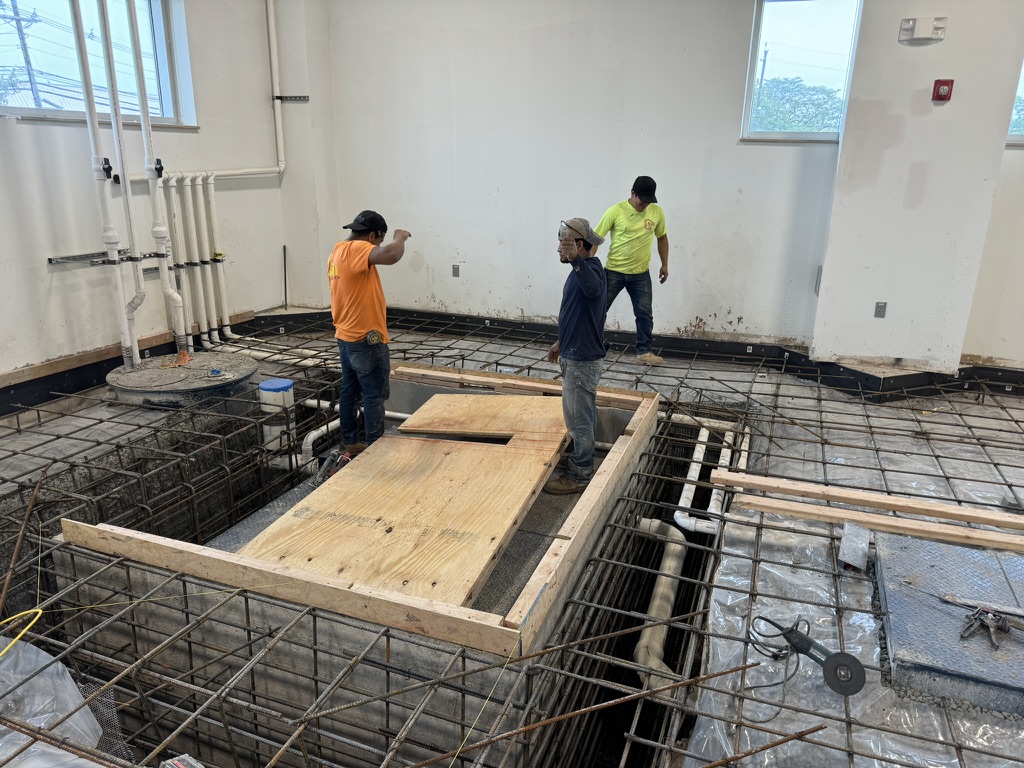
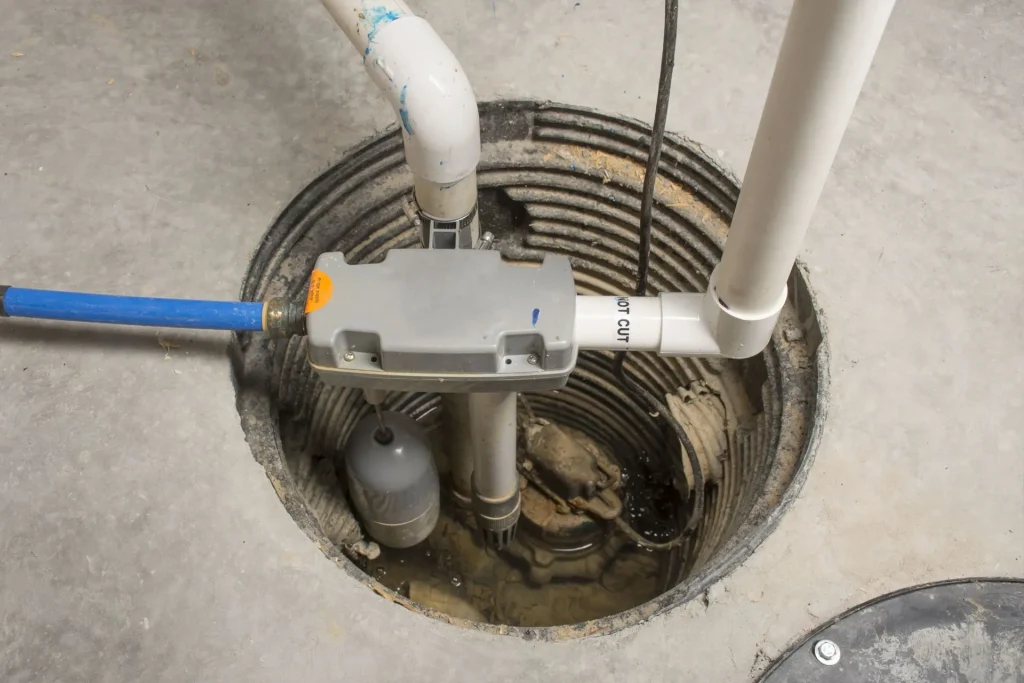
- drainage systems, exterior or interior, to relieve pressure and collect water
- humidity control through ventilation choices, air sealing, and dehumidification
None of these items should be viewed in isolation. A sump pump cannot fully compensate for roof runoff dumping next to the wall. Fresh paint on a basement surface does little if moisture pressure behind the wall remains high. A contractor who evaluates the whole moisture path usually gives better advice than one focused on a single product line.
The timing matters more than people think
There is a narrow window when basement moisture is cheapest to address. It is the phase where warning signs are present, but materials have not yet suffered major damage. Once mold remediation, framing replacement, floor removal, and air quality concerns enter the picture, the project changes category.
The problem is that early signs are easy to rationalize. People blame a musty smell on old storage boxes. They assume a little efflorescence is normal aging. They repaint over discoloration and move on. That delay is understandable, but it often creates a larger repair scope later.
Seasonality plays a role too. Many basements seem fine in dry weather and become vulnerable during spring thaw, prolonged rain, or late summer humidity. That does not mean the house is safe most of the year. It means the house is being tested only at certain times, and those stress periods reveal its weak points.
A homeowner who treats waterproofing as planned maintenance can inspect those weak points before the wet season arrives. That is the same logic behind servicing a furnace before winter or cleaning gutters before fall storms. It is easier, cheaper, and less stressful to prepare than to react.
Some houses are at higher risk than others
Not every basement faces the same level of exposure. Local conditions matter. Homes built in areas with high water tables, clay-heavy soils, older drainage systems, or frequent freeze-thaw cycles often need more active moisture management. So do homes at the bottom of a slope, near hardscaped patios, or in neighborhoods where grading has shifted over decades.
Age matters, but not in a simple way. Older homes may have foundations that were built before current drainage standards, yet many have lasted a century because they were allowed to dry naturally and were not finished with moisture-sensitive materials. Newer homes may have modern membranes and drain tiles, but they can still develop issues if those systems clog, settle, or were installed poorly.
Finished basements also change the stakes. Once carpet, drywall, trim, cabinetry, and electronics enter the picture, a small amount of moisture can cause a large amount of damage. A damp unfinished corner in a utility room is an annoyance. The same moisture behind a newly framed wall becomes a hidden repair bill.
Warning signs homeowners should not ignore
You do not need standing water to justify a closer look. In many homes, the early evidence is subtle but consistent. Pay attention if the basement smells earthy after rain, if paint bubbles on masonry surfaces, if rust appears on metal items stored near the floor, or if wooden materials feel cool and slightly damp even when no leak is obvious.
Watch the outside too. Soil that has settled along the foundation, gutters that overflow in moderate rain, downspouts that empty too close to the house, and puddles that linger after storms are all clues. Cracks deserve context. A hairline shrinkage crack may be minor, while a horizontal crack in a block wall or a crack that grows over time deserves professional evaluation.
When homeowners ask what to monitor through the year, I usually tell them to keep an eye on five things:
- basement odor after heavy rain or humid weather
- white mineral deposits on walls or floor surfaces
- signs of exterior drainage failure, especially near downspouts
- recurring condensation on pipes, walls, or windows
- movement in cracks, doors, or lower-level finishes
That short habit of observation often catches problems before they become disruptive.
What preventive maintenance actually looks like
A maintenance plan does not have to be complicated. What matters is consistency and a realistic understanding of your home's weak points. If your basement has never had a water issue, that is a reason to keep doing the right things, not a reason to stop paying attention. If it has had a problem before, assume the house has already shown you where it is vulnerable.
Most of the basics are straightforward. Keep gutters clear so water does not spill next to the foundation. Make sure downspouts extend far enough away to discharge onto ground that slopes away from the house. Check grading every few years, especially after landscaping projects. Test the sump pump before storm season. Replace a failed dehumidifier quickly instead of waiting out a damp summer. If the basement is finished, avoid storing absorbent materials directly against foundation walls.
There is judgment involved too. Some houses do fine with routine exterior corrections and humidity control. Others need a more deliberate system because the site itself works against them. That is why a blanket answer never fits every basement.
Choosing the right fix requires diagnosis, not guesswork
This is one area where homeowners can spend money and still miss the problem if the diagnosis is off. A waterproof paint coating may hide staining for a while, but it does not reduce hydrostatic pressure. An interior drain may manage water at the floor perimeter while leaving wall moisture unresolved. Exterior excavation may be unnecessary if runoff control outside is the real issue. The best solution depends on how water is entering, how often it happens, and how the basement is used.
A careful inspection usually looks at multiple factors at once: exterior slope, gutter function, foundation condition, crack patterns, plumbing sources, humidity levels, and whether the moisture appears after rain or all year round. That last point matters. Water that shows up only during storms usually points toward drainage or seepage. Moisture that persists in dry weather may involve condensation, plumbing leaks, or a chronically humid environment.
It also helps to separate urgency from fear. Not every damp patch means the foundation is failing. Not every crack requires major structural work. At the same time, not every musty smell can be solved with a dehumidifier from the hardware store. Good waterproofing decisions come from matching the remedy to the mechanism.
Finished basements raise the standard
Once a basement becomes living space, tolerance for moisture drops dramatically. A utility room can survive minor seasonal dampness better than a family room with laminate flooring, upholstered furniture, and recessed walls packed with insulation. Materials matter. Organic finishes such as paper-faced drywall, carpet padding, and untreated wood can support mold growth when moisture lingers.
This is where waterproofing should happen before remodeling, not after. Too many basement finishing projects focus on paint color, lighting, and flooring while skipping a serious moisture assessment. Six months later, baseboards swell, corners darken, and the room no longer feels comfortable. At that point, the renovation cost and the waterproofing cost begin stacking on top of each other.
A dry basement is not simply one that looks dry on move-in day. It is one that remains stable through wet spring weather, summer humidity, and the occasional hard storm. That level of performance usually comes from planning, not luck.
A maintenance mindset changes the economics
Homeowners often separate maintenance from improvement. Waterproofing does not fit neatly in either category, which is one reason it gets postponed. It may not have the visual reward of a kitchen update, and it may not feel as urgent as a furnace replacement. Yet from a building-performance standpoint, it belongs squarely in the maintenance column.
Think of it the same way you think about roof care. Nobody waits for half the ceiling to collapse before caring about flashing, shingles, and drainage. The basement deserves the same respect because it is managing the pressure of soil, groundwater, rainfall runoff, and interior humidity all at once. Ignoring that system because the space is out of sight is one of the more expensive habits in homeownership.
The houses that age best are not always the newest or most expensive. They are usually the ones where water is managed consistently, from the roofline to the footing. That includes the basement. Especially the basement.
When Basement Waterproofing becomes part of a regular home maintenance plan, it stops being a crisis response and starts being what it should have been all along, basic protection for the structure, the air inside it, and the investment tied to both. A dry basement supports the rest of the house quietly. Most of the time, that is exactly how good maintenance works.
ARD Waterproofing
98 Smull Ave, West Caldwell, NJ 07006, United States
+1 917-691-8411
FAQ About Basement Waterproofing
Can you 100% Waterproof a Basement in West Caldwell?
A properly designed system can substantially reduce basement water intrusion, but no method can promise protection against every flood, equipment failure, or future change in site conditions. The first step is identifying whether moisture comes from surface runoff, groundwater, plumbing, or condensation. Solutions may include grading and gutter improvements, drainage, foundation repairs, and a sump system. Review the specific coverage and exclusions of any written warranty.
How much does it cost to professionally waterproof a basement in NJ?
There is no single price that fits every basement. Cost depends on the cause of the leak, the area needing work, access, excavation requirements, drainage design, sump equipment, and restoration of disturbed finishes or landscaping. Request an on-site assessment and an itemized written estimate that explains the scope, exclusions, and maintenance requirements before comparing proposals.
How long does foundation waterproofing last in West Caldwell, NJ?
Service life varies with the waterproofing materials, installation quality, soil and water conditions, and maintenance. Drainage components and pumps may require servicing or replacement even when other parts of the system remain functional. Keep gutters, drainage outlets, and sump equipment maintained, and have recurring leaks or changes in foundation condition assessed. Ask for product-specific expectations and written warranty terms rather than relying on one lifespan for the entire system.